Sewage Cleanup in Estero, FL: What to Do in the First 24 Hours
Sewage Cleanup in Estero, FL: What to Do in the First 24 Hours
If you experience a sewage backup in your Estero home, prioritize safety by immediately evacuating all people and pets from the contaminated area and avoiding contact with the standing liquid. Do not attempt to clean this yourself, as raw sewage contains pathogens, bacteria, and viruses that require professional, IICRC-certified remediation to prevent severe health risks and permanent property damage. Sewage damage is classified as Category 3 water, meaning it contains harmful agents that require specialized protective equipment and EPA-approved sanitization procedures to remove effectively. As a resident of Estero, Florida, you understand the unique challenges of our humid, low-lying coastal environment, which can exacerbate the speed at which biological contaminants spread. When a pipe bursts or a sewer line backs up, the clock is ticking. According to the IICRC, Category 3 water damage must be addressed within the first 24 to 48 hours to prevent secondary damage, such as structural rot and toxic mold colonization. At Affordable Water Restoration, we provide 24/7 emergency response to protect your property and family. If you need immediate assistance, call (239) 645-7472 now.
Understanding Sewage Contamination: Why It Is Not Just Water
A sewer backup is fundamentally different from a clean water leak from a broken supply line. Under IICRC S500 standards, water is categorized into three levels, each requiring different handling protocols and safety equipment:
- Category 1 (Clean Water): Water from a sanitary source like a supply line. This water does not pose a substantial threat to human health.
- Category 2 (Grey Water): Water from a source like a dishwasher or washing machine that may contain contaminants. While not as immediately dangerous as sewage, it can become Category 3 if left untreated.
- Category 3 (Black Water): Grossly unsanitary water containing pathogenic agents, including sewage, rising flood waters, or water from seawater.
Sewage contains E. coli, salmonella, rotavirus, and other dangerous pathogens. The CDC emphasizes that exposure to these materials can cause severe gastrointestinal illnesses, respiratory issues, and skin infections. Because our local climate in Lee County government jurisdiction is humid and warm—often exceeding 80% relative humidity during the summer—bacteria multiply at an exponential rate in the presence of moisture. While Category 1 water might take 48-72 hours to support significant mold growth, Category 3 water can create a toxic environment within just 12 hours.
The First 24 Hours: Your Critical Action Plan
Time is your greatest enemy during a sewage emergency. The first 24 hours are critical for insurance claims and limiting long-term structural destruction. Follow these steps to minimize damage and keep your family safe:
- Evacuate: Move family members, elderly occupants, and pets to a safe location. Do not walk through the sewage. Even a small amount of liquid can be deep enough to harbor sharp debris or electrical hazards.
- Shut Off Power: If you can safely access the breaker panel without standing in or touching the water, turn off the electricity to the affected areas. If the water has reached the outlets, contact a professional electrician or power company immediately.
- Call Professionals: Do not attempt to handle this with a mop, a standard shop-vac, or household cleaning supplies. You lack the personal protective equipment (PPE) and industrial-strength disinfectants required. Call Affordable Water Restoration at (239) 645-7472.
- Isolate the Area: Close doors to the contaminated room and block air vents. This prevents the spread of aerosolized bacteria, which can travel through your HVAC system and contaminate your entire home.
- Document for Insurance: Take photos or videos of the damage from a safe distance before any cleanup begins. Do not touch or move items for the sake of the photo; visual evidence of the source is essential for claims adjusters.
For more information on disaster recovery, visit the FEMA website. If you are experiencing this crisis, Find us on Google Maps and reach out to our team immediately.
The Dangers of DIY Sewage Cleanup
Many homeowners in Estero mistakenly believe they can handle a sewage backup with standard household products like bleach or vinegar. This is a dangerous, common misconception that leads to recurring mold issues and long-term health complications.
1. Aerosolized Pathogens: Household vacuums and standard shop-vacs are not HEPA-filtered. When you vacuum contaminated water, you are effectively misting your home with microscopic sewage particles, spreading bacteria into the air you and your family breathe. 2. Incomplete Sanitization: The EPA warns that porous materials—including drywall, carpet, padding, insulation, and hardwood—are nearly impossible to sanitize fully once they have been saturated with Category 3 water. Bleach often fails to penetrate deep into these materials, meaning surface cleaning leaves dangerous bacteria underneath. 3. Long-Term Structural Decay: Professional restoration teams use moisture-mapping technology (using infrared cameras and moisture meters) to ensure the structure is actually dry, not just dry to the touch. If hidden moisture remains behind your baseboards or under flooring, you are almost guaranteed to develop a structural mold colony within weeks.
Why Estero Homes Are High-Risk
Our local environment in Estero city government is beautiful, but our geography creates a perfect storm for sewer backups. Our low-lying, flat topography, combined with a high water table and proximity to the Gulf of Mexico, makes the municipal drainage systems susceptible to extreme pressure.
During heavy rain events or hurricane season—tracked closely by NOAA—our local sewer systems can become completely overwhelmed by stormwater infiltration. When the municipal lines are filled to capacity, gravity cannot pull waste away from your home, causing sewage to surge back up through floor drains, toilets, and showers. This is not a plumbing failure; it is a systemic overload. Because this happens at a city level, multiple houses in one neighborhood may be affected simultaneously, which can delay the response time of general plumbers. As a specialized restoration company, Affordable Water Restoration is equipped to handle these large-scale municipal backups.
Professional Remediation: Costs and Timelines
Understanding the financial and time investment of a professional cleanup is essential. While costs vary based on the extent of the damage, most homeowners want to know the "ballpark" figures to prepare for insurance interactions.
Estimated Cost Ranges
- Small localized backups (single bathroom): Typically range between $2,500 and $5,000, depending on the need for floor demolition.
- Large area backups (multiple rooms or basements): Costs can range from $7,500 to upwards of $20,000+ if structural demolition and reconstruction of cabinetry/walls are required.
The Restoration Timeline
- Day 1: Emergency Response & Extraction. Our technicians arrive in full PPE. We extract the liquid and remove porous debris. This phase takes 4–8 hours.
- Day 2–4: Structural Drying. We install heavy-duty dehumidifiers and axial air movers. The goal is to reach an equilibrium moisture content in wood and concrete that meets the IICRC S500 standards (usually below 16% for structural wood).
- Day 5–7: Sanitization and Clearance Testing. Once dry, we perform antimicrobial application. We use ATP (Adenosine Triphosphate) testing to verify that the surfaces are free of biological pathogens.
The Restoration Process: Step-by-Step
When you call us, our team follows a strict, industry-standard protocol. We do not skip steps, as doing so compromises the health of your home.
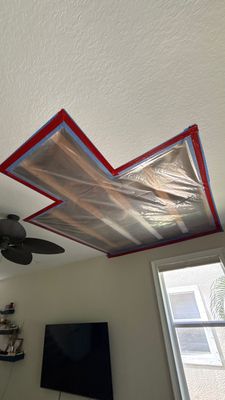
- Containment: We use 6-mil polyethylene sheeting to create a seal around the affected areas. We then use HEPA-filtered air scrubbers to create negative air pressure, which ensures that no contaminated air leaves the room while we work.
- Extraction: We use truck-mounted extractors to remove the bulk of the sewage. This removes 95% of the liquid waste before we start any cleaning.
- Debris Removal: Any porous material that contacted the sewage—such as carpet, padding, drywall, and insulation—is tagged and disposed of as biohazard waste. We cut back drywall at least 12–24 inches above the water line.
- Disinfection: We apply hospital-grade botanical or chemical antimicrobials that are registered with the EPA specifically for Category 3 water.
- Drying and Dehumidification: Our machines run 24/7 to reduce the humidity to target levels (below 50% relative humidity is the industry goal for drying) to inhibit mold growth.
- Clearance Testing: We verify that the area is clear of biological hazards so you can safely return to a healthy home. We only remove our equipment when moisture readings are within 5% of the unaffected areas of your home.
Preventing Future Backups
Once your home is restored, prevention is the final step in the process. We highly recommend the following:
- Backwater Prevention Valve: This is the most effective defense. It is a one-way gate installed on your main sewer line. When water tries to flow back toward your home, the valve closes automatically.
- Regular Sewer Line Inspection: Have a plumber use a camera to inspect your main lateral line every 2–3 years to check for root intrusion or pipe damage.
- Avoid "Flushable" Products: Many products marketed as flushable (like certain wipes) do not dissolve and frequently create blockages that lead to backups.
Frequently Asked Questions (FAQ)
Q: Is my homeowner's insurance going to cover the cost of cleanup? A: Most homeowners' policies cover sewage backups, but this often depends on whether you have a specific "sewer backup" rider or endorsement. Always check your policy, but prioritize the cleanup first to mitigate further, more costly damage.
Q: How long does the entire restoration process take? A: Typically, the drying process takes 3 to 5 days. However, total restoration—including the reconstruction of walls and flooring—depends on the extent of the damage. We focus on getting you back in your home safely and quickly.
Q: Can I stay in my home during the cleanup? A: It is strongly advised to relocate until the initial extraction and sanitization are complete, especially for children, the elderly, or those with compromised immune systems. Sewage odors and the presence of industrial equipment make living conditions difficult.
Q: Is a flooded basement the same as a sewage backup? A: No. A flood from rain is generally considered clean (Category 1) or grey (Category 2) water initially, while sewage is always Category 3 (black water) and requires significantly more aggressive and costly cleaning protocols.
Q: How can I prevent this from happening again? A: Beyond the backwater valve mentioned above, ensure that your gutters are cleared and that your landscaping is sloped away from the foundation. This prevents hydrostatic pressure from putting extra strain on your foundation and drainage pipes.
Q: How do I know if I have mold after a backup? A: If you smell a musty or earthy odor, see discoloration or fuzzy growth on walls, or experience physical symptoms like sneezing or itchy eyes, mold may have already started growing. Follow Red Cross safety guidelines and call us for an immediate inspection. If you suspect mold, contact us at (239) 645-7472 today.